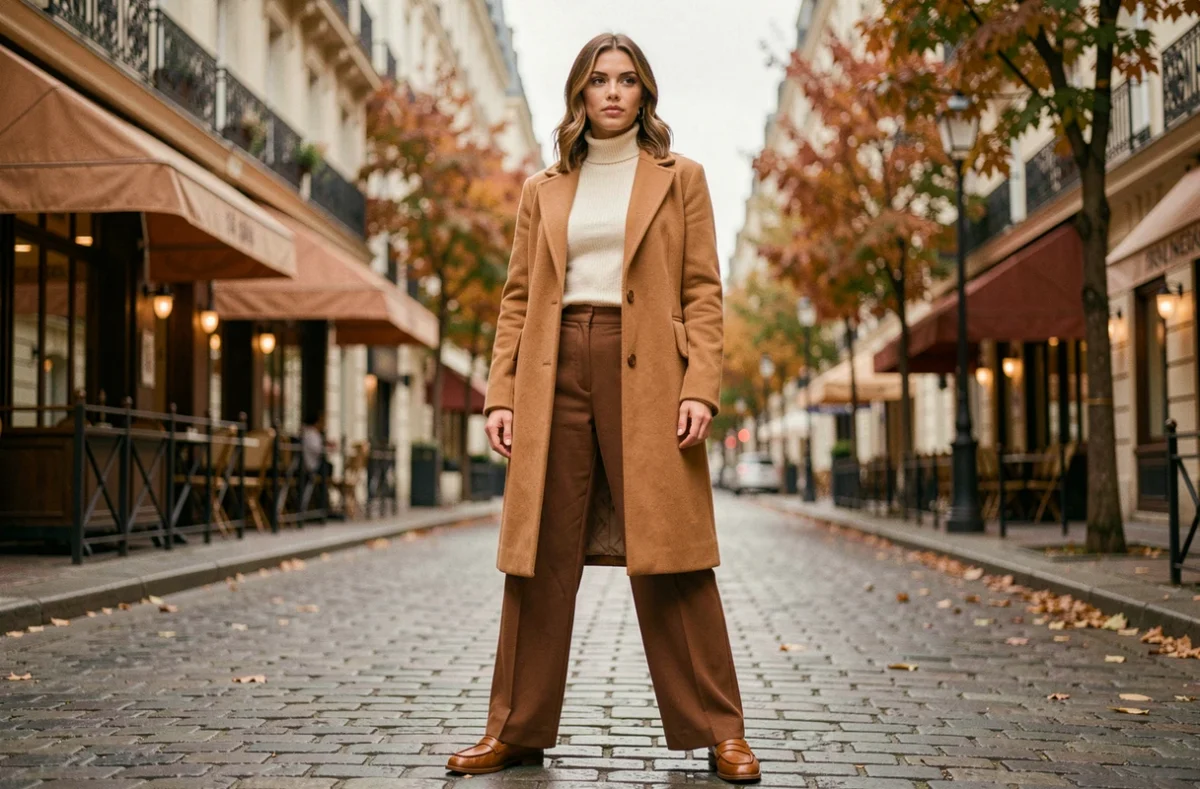
The fashion trends of a season are defined by the cuts, materials, and color palettes that dominate the collections presented by brands and relayed in the specialized press. For autumn-winter, the wardrobe revolves around structured pieces, denser textures, and shades that contrast with the lightness of spring-summer. The challenge is not to accumulate new items, but to understand which pieces deserve a lasting place in a wardrobe.
Textile environmental display: what changes for choosing your clothes
Since October 1, 2026, French brands that communicate on an environmental indicator must display the official environmental cost calculated according to the Ecobalyse method from ADEME. Marketing arguments like “sustainable,” “responsible,” or “eco-responsible” can no longer be used without documented justification.
This regulatory framework changes the way a fashion purchase is evaluated. Before succumbing to a trendy piece, checking for the presence of a displayed environmental score allows one to distinguish a garment truly designed to last from a micro-trend item dressed in green rhetoric.
At the same time, the European regulation ESPR has prohibited since July 2026 large companies from destroying certain unsold textiles, pushing brands towards pre-order, repair, and second-hand models. To consult Mlle E’s fashion page, which references updated pieces and inspirations, this evolution favors thoughtful purchases over disposable collections.
Autumn-winter trend colors: the palettes that structure a look
Colors are the most accessible lever to update a wardrobe without replacing everything. This season, three chromatic families stand out clearly from the collections.
Warm and earthy tones
Butter beige and caramel shades dominate outerwear: coats, jackets, and oversized sweaters. These shades function as modern neutrals, warmer than gray and less pronounced than black. Paired with raw denim or straight trousers, they are enough to create a coherent silhouette.
Red, the extended key color
Red remains very present after several consecutive seasons. Its particularity this year: it comes in more muted tones (deep burgundy, brick red) that integrate better into autumn wardrobes. A red accessory is enough to energize a neutral outfit without throwing off the balance.
Deep greens
From fir green to emerald, this palette offers an alternative to black for dressed pieces. A forest green midi dress or an emerald blazer effectively replaces the total black look at semi-formal events.
Materials and cuts to prioritize for a functional wardrobe
Adopting a trend through material rather than pattern ensures greater longevity for the garment. The fabrics returning this season share a common point: they combine structure and comfort.
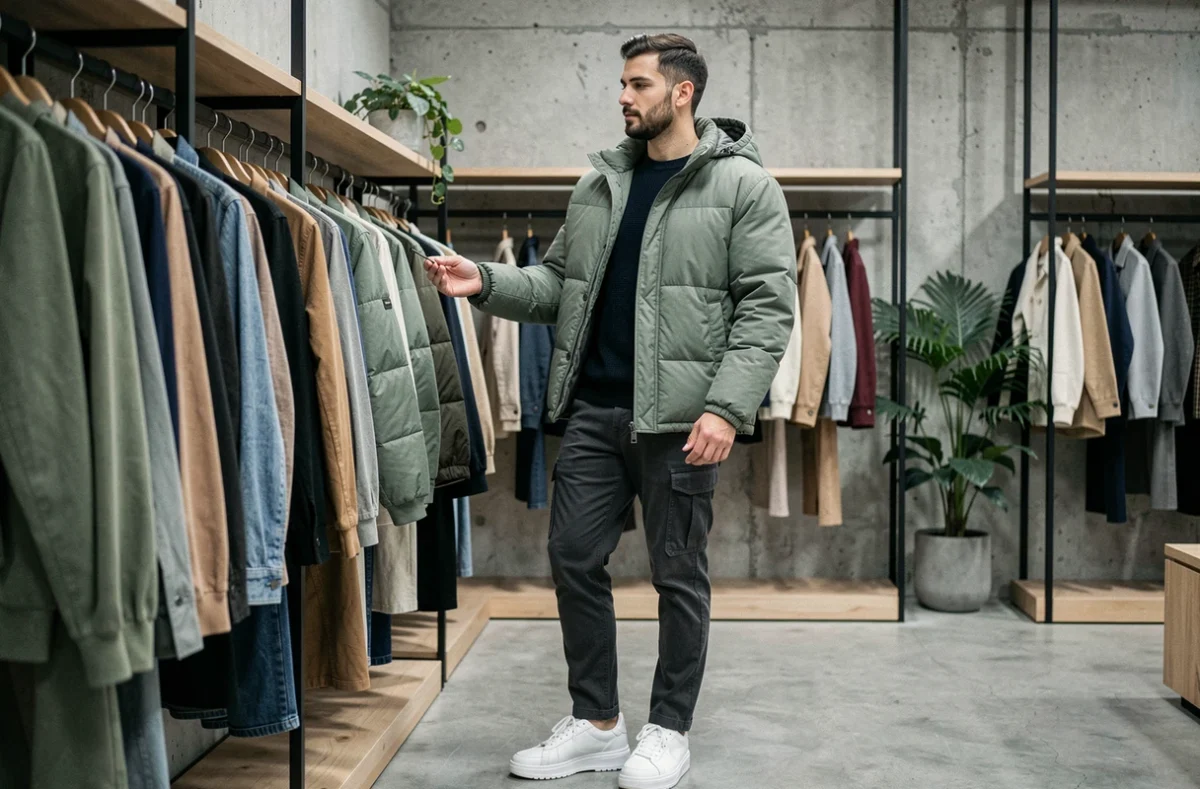
- Thick linen and blended wool are gradually replacing synthetics in mid-range positioned collections, driven by regulatory requirements on environmental display.
- Denim in all its forms, from barrel cut to classic straight jeans, remains the backbone of an autumn wardrobe. Prioritizing a sufficiently dense weight for the cold months avoids the need to purchase a second seasonal jean.
- Light leather (or its plant-based alternatives) is worn as a short jacket or structured skirt. This material serves as a transitional piece between seasons.
In terms of cuts, the season’s silhouette opposes two logics. Tops remain loose (oversized sweaters, deconstructed blazers), while bottoms tighten slightly (straight trousers, fitted midi skirts). This contrast of volumes between top and bottom creates a balanced silhouette without complex styling efforts.
Building a trendy look without renewing your entire wardrobe
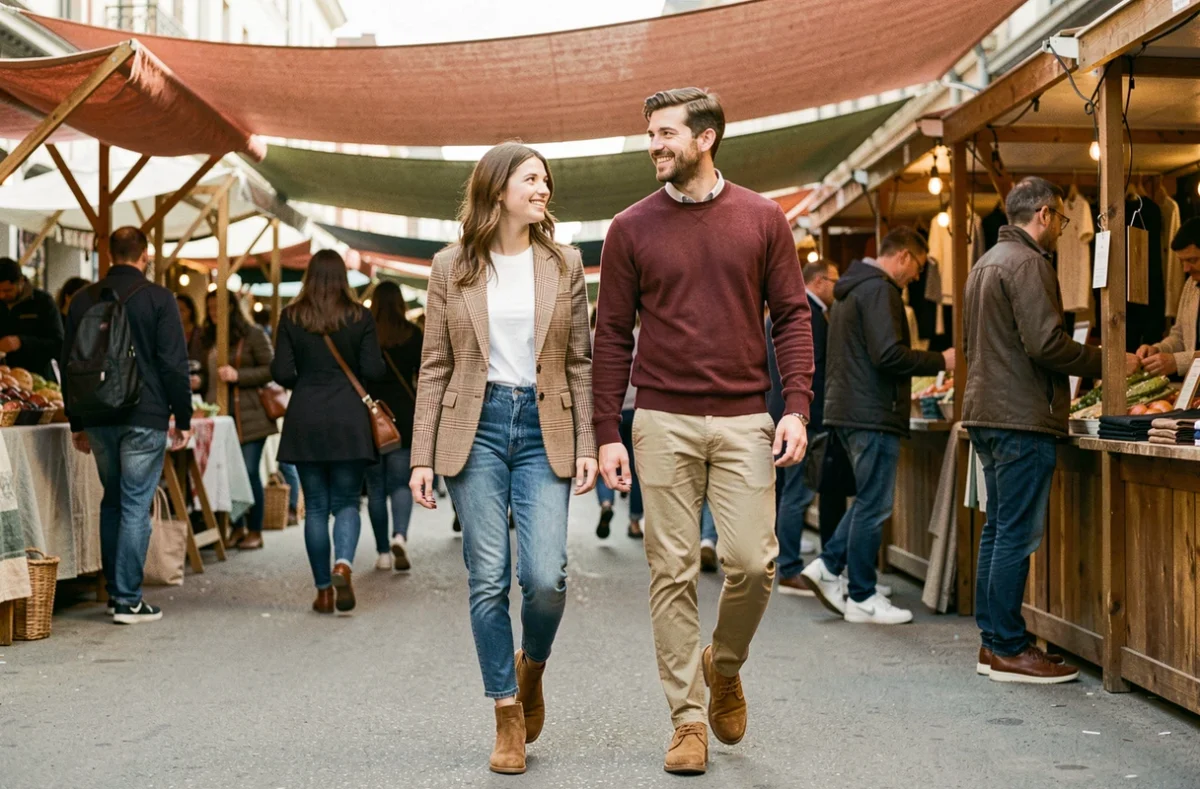
The most useful trend is not a piece, but a method. Rather than buying five items that each correspond to a micro-trend, identifying two or three key pieces that dialogue with the existing wardrobe produces a more coherent result.
A concrete approach is to start with the most worn piece in your closet (often a pair of jeans or neutral trousers) and pair it with a single new element: a short jacket in a seasonal color, a natural fiber sweater with a heavier weight, or an accessory like a leather belt.
Three well-chosen pieces update a look more than ten impulsive purchases. This logic aligns with regulatory developments that make textile overproduction more costly for brands, and thus collections more streamlined.
Prints to be used with precision
Floral prints and graphic patterns remain present, but their use is evolving. The current trend favors a single printed piece per outfit, paired with solid basics. A floral print dress worn with a solid blazer and neutral accessories works better than a mix of patterns.
The guiding principle remains the readability of the silhouette. A stylish look relies less on the quantity of overlapping trends than on the clarity of choices: a narrowed palette, a controlled play of volumes, and materials that age well. Recent regulations on environmental display and the prohibition of destroying unsold items are also pushing the entire sector in this direction, making thoughtful purchasing not only more elegant but also more aligned with the reality of the textile market.