This season’s fashion trends rest on a technical paradox: voluminous cuts (jorts, wide-leg pants, oversized sweaters) dominate the runways, while the demand for reduced and cohesive wardrobes has never been stronger. Reconciling these two movements requires understanding a few silhouette-building principles before diving into shopping.
Volume Trends in Minimalist Fashion: Reconciling Wide Cuts and a Streamlined Wardrobe
Maximal volume refers to pieces whose cut significantly exceeds the natural line of the body: flared legs, dropped shoulders, exaggerated lengths. In a rack limited to about thirty pieces, incorporating this type of clothing without saturating the space requires a method.
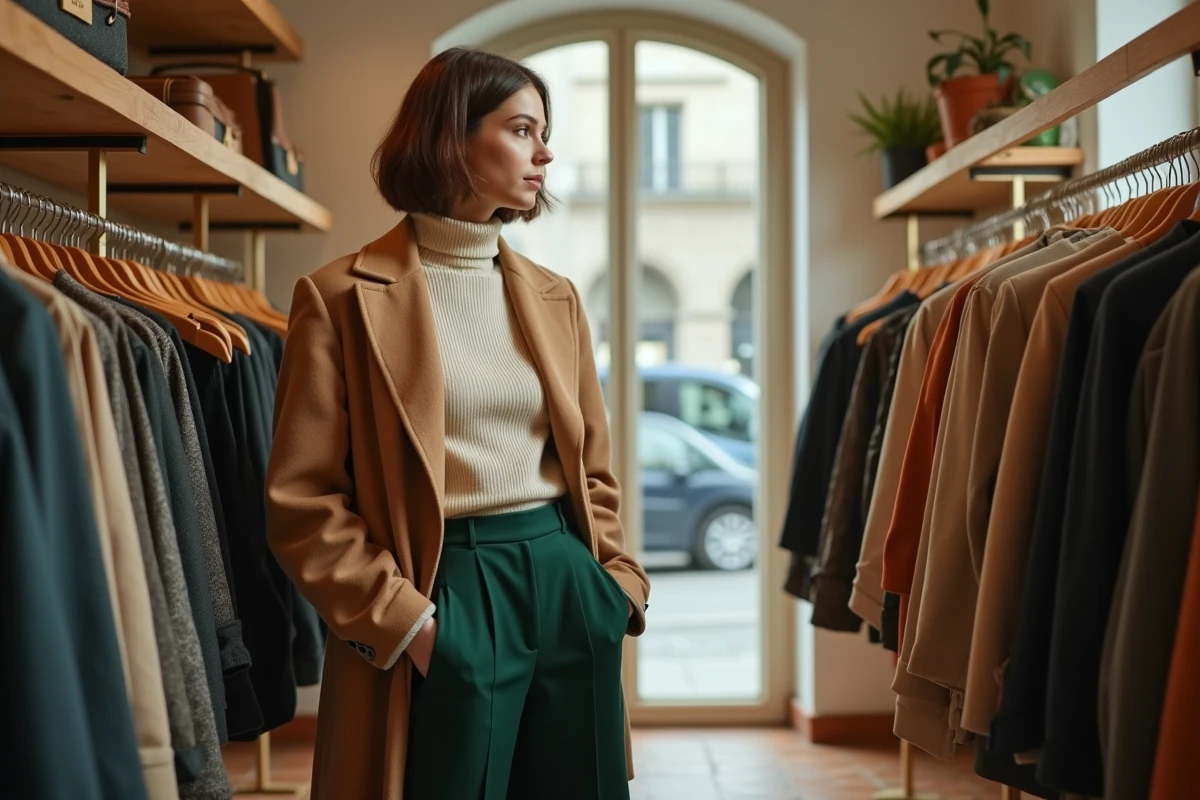
The basic principle is simple: one voluminous piece per outfit is enough to capture the trend. Wide-leg pants are worn with a fitted top, an oversized sweater with straight jeans or slim pants. This contrast play avoids the costume effect and keeps the silhouette readable.
The choice of color reinforces this logic. A pair of raw denim jorts or wide beige linen pants work with most tops in a minimalist wardrobe. Conversely, a voluminous piece in a very bold color (emerald green, butter yellow) becomes difficult to match and ends up cluttering the closet. To explore these balances between trend and simplicity, the Must Paris website helps identify pieces suitable for this type of rotation.
Upcycled Fabrics and Summer Leather: Two Textile Directions to Understand

Beyond cuts, materials strongly influence style this season. Two axes stand out in the spring-summer collections.
Upcycled fabrics are gaining ground in the collections of major houses, according to the WGSN report “Fashion Futures 2026”. The principle: reuse textile scraps or dormant stocks to produce new pieces. Concretely, this translates into denim patchworks, visible reused linings in transparency, or unusual fiber blends.
The other direction concerns leather worn in summer, a trend that divides markets. The McKinsey study “State of Fashion 2026” notes a clear contrast: European brands are reintegrating fine leather into their summer collections (short jackets, straight skirts), while the American market is leaning towards vegan alternatives.
This cultural gap has a practical consequence: lightweight leather pieces found in Europe resell better and remain relevant longer in a wardrobe designed for multiple seasons.
Criteria for Choosing Sustainable Material This Season
- Check the exact composition on the label: an upcycled fabric often contains multiple fibers, which alters care instructions and durability
- Favor weights suitable for the season, neither too thin (unwanted transparency) nor too heavy for summer use
- Test the flexibility of lightweight leather before purchase: rigid summer leather loses its appeal as temperatures rise, as it does not breathe
Spring-Summer Trend Colors: Building a Cohesive Palette
The key colors of the season revolve around saturated shades: emerald green, cobalt blue, sun yellow. Butter yellow, softer, is also among the tones spotted on the runways.
Incorporating a strong color works better in small touches than in a total look. A butter yellow dress worn alone becomes the central piece of the wardrobe, with the risk of quickly becoming tiresome. The same shade on an accessory (bag, scarf) or an intermediate piece (shirt, vest) fits into more combinations.
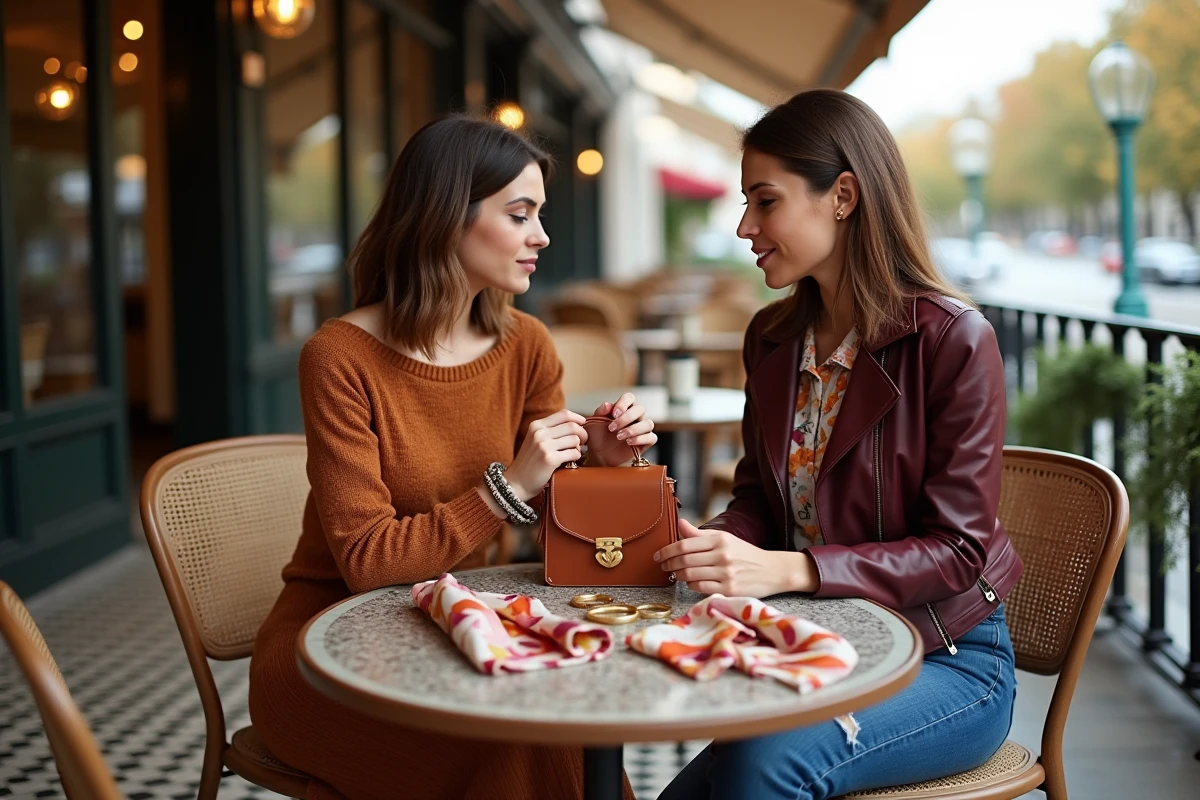
For those who prefer neutral bases, beige pants remain a reliable pivot. Paired with a cobalt blue top or a colorful short jacket, it absorbs trends without forcing a complete wardrobe renewal.
Color Combinations to Remember
- Butter yellow and navy blue: a strong contrast without visual aggression, suitable for both office and outdoor
- Emerald green and beige: a combination that works well in both linen and cotton, ideal for mid-season pieces
- Cobalt blue and white: a classic association revisited with contemporary cuts (barrel jeans, fluid dress)
Barrel Jeans and Fluid Dresses: Two Key Silhouettes of the Season
The barrel jeans, recognizable by their rounded cut at the thighs that narrows at the ankle, represent the main alternative to straight jeans. Its particular shape creates volume without the extreme width of wide-leg pants, making it easier to coordinate.
Worn with square-toed ankle boots and a fitted top, it produces a balanced silhouette. Raw or slightly faded denim remains the most versatile choice for this cut.
The fluid dress, on the other hand, returns in midi versions with lightweight materials. Models in recycled fabric or blended linen dominate the new collections. The slip dress (a lingerie-inspired dress with thin straps) is also among the key pieces identified on the runways, with a more dressed-up positioning.
The difference between these two silhouettes lies in their usage context. Barrel jeans adapt to everyday outfits and can be worn throughout the week. The fluid dress or slip dress works better for specific occasions, justifying owning only one, chosen in a neutral color or one of the strong shades of the season.
Building a cohesive style this season means making few purchases, but the right ones. A well-chosen voluminous piece, a material that lasts several seasons, one or two strong colors expressed in touches: these three decisions are enough to integrate trends without cluttering the closet.