Which Parisian trends are worth adopting this season, and which can you follow without buying an entirely new wardrobe? Between the Spring/Summer 2027 runways and the realities of budget, weather and sustainability, the gap between the catwalk and the street is worth measuring.
Paris Spring/Summer 2027 runway trends: what really works
Paris Fashion Week, held from September 28 to October 6, showcased several strong style directions. Not all of them translate equally well into everyday life.
| Runway trend | Equivalent piece already in your wardrobe | How it works in Paris weather |
|---|---|---|
| Pastel combinations | Light-colored shirt, beige or cream trousers | Works in spring, but is vulnerable to autumn rain |
| Layering | T-shirt + open shirt + lightweight jacket | Ideal for days with fluctuating temperatures |
| Latex and vinyl | An existing leather or faux-leather piece | Waterproof, but uncomfortable above 25 °C |
| Heatwave-ready harem pants | Loose linen or cotton trousers | Suitable for summer heatwaves |
| Reworked trench coat | A classic trench coat you already own | Versatile in rain and transitional weather |
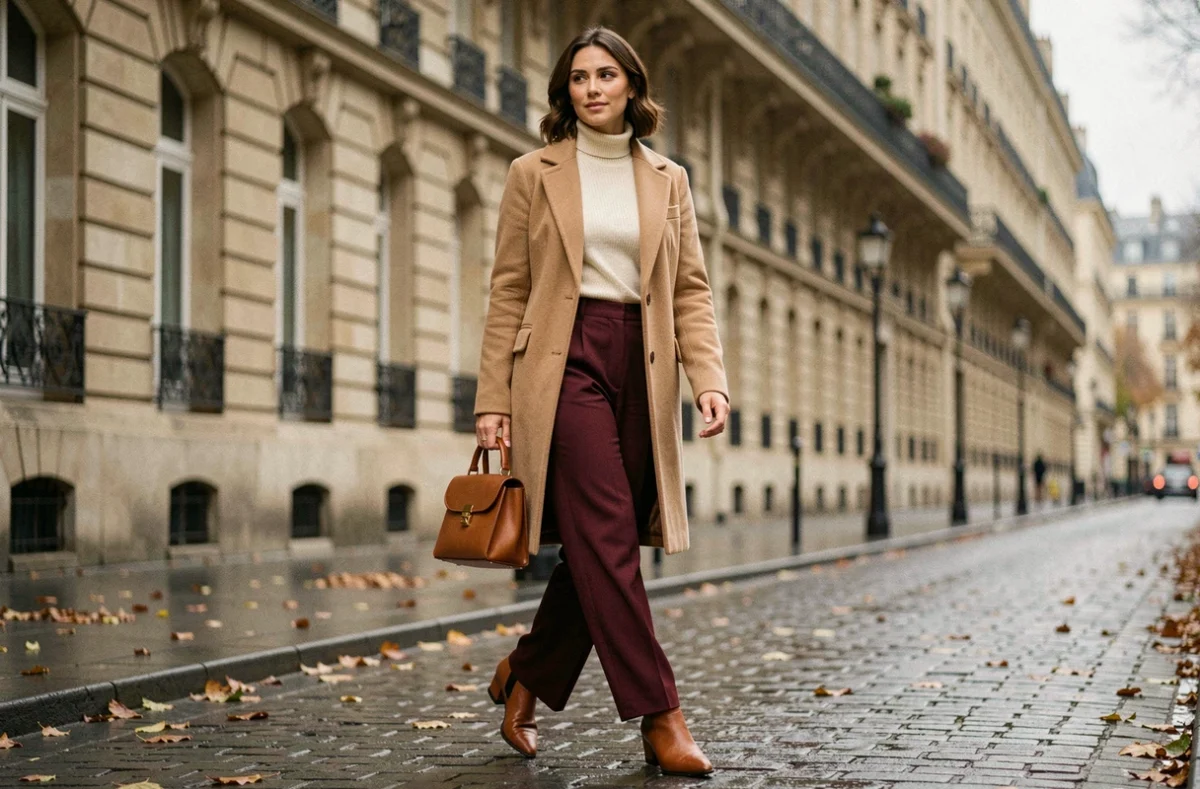
The trench coat, for example, is no longer worn as a simple raincoat. On the runways, it was belted high, worn open over a dress or fastened as a standalone piece. A trench coat you already own is enough to tap into this trend without buying anything new.
For anyone following fashion on Paris Astuce, layering remains the easiest approach to adapt to everyday life in Paris: it accommodates temperature swings throughout the day and makes use of basic pieces.
Fashion on a budget in Paris: refresh your style without replacing your wardrobe
The gap between the price of a runway trend and what it costs to wear it in real life is rarely documented. Layering, reworking color combinations and wearing a trench coat differently all rely on pieces you already own. The investment can then be focused on one or two accessories that change the silhouette.
Accessories with the biggest visual impact for every euro spent
- Wearing a belt over a coat or trench changes its shape without alterations. Fall/Winter shows made this styling trick a staple.
- A scarf tied as a headband, around the wrist or onto a bag can shift a neutral outfit into a pastel or graphic look, depending on the pattern.
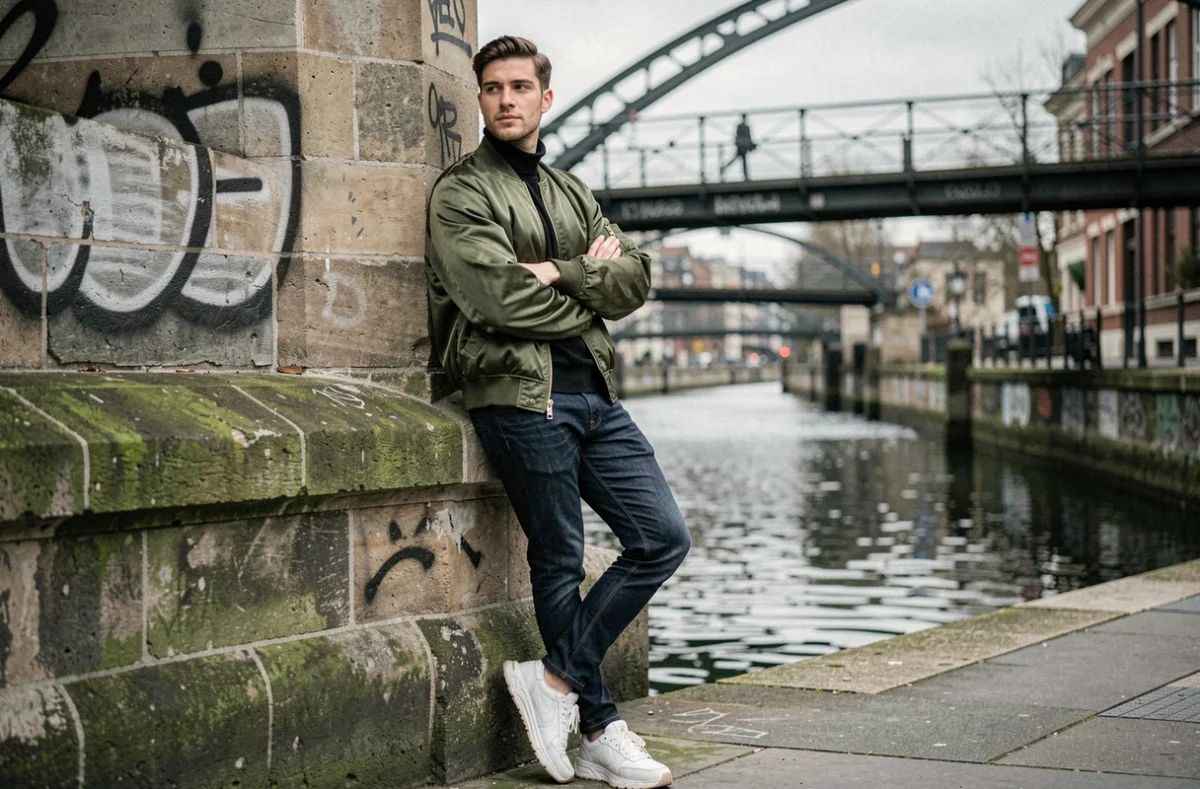
- Shoes with contrasting soles (white with a dark outfit, black with a light one) create a visual focal point that is enough to modernize a classic Parisian look.
Two well-chosen accessories can transform a silhouette more than a new garment that doesn’t work with the rest of your outfit. Refreshing your style doesn’t necessarily mean buying entire new pieces.
What pastel trends mean for garment care
The pastel combinations seen at Fashion Week come with a practical drawback that magazines rarely mention. Light shades (cream, lilac, seafoam green) get dirty quickly in the city, especially on Parisian public transport.
Pastel pieces made from synthetic fibers can be washed at low temperatures and withstand friction better than light-colored cotton, which turns gray after a few wash cycles. Care requirements should count as much as appearance when choosing a trendy piece.
How durable are trend pieces? Leather, linen and fast fashion under new regulations
A garment’s lifespan determines whether a fashion purchase is worthwhile. A trend piece worn for two seasons and then discarded costs far more per wear than a basic item kept for five years.
France has begun introducing regulations targeting ultra-fast fashion, with penalties linked to extended producer responsibility (EPR). The thresholds for implementation have yet to be specified, making it difficult for consumers to anticipate what this will mean in practice. The overall direction, however, encourages less frequent purchases and more durable pieces.
Leather, faux leather and vinyl: balancing trends with longevity
Latex and vinyl, two of the season’s standout trends, raise questions about durability. Low-quality faux leather cracks after a few months of regular wear. Genuine leather lasts for years, but requires a much higher upfront investment.
To follow the trend without waste, an existing leather piece (jacket, skirt or bag) serves the same styling purpose as new vinyl. Secondhand leather offers a balance between budget and longevity that vinyl cannot match.
Textile reuse: practical limitations to keep in mind
Secondhand shopping is often presented as the default sustainable solution. Yet the textile reuse sector faces well-documented operational challenges: costly sorting, inconsistent quality among collected items and bottlenecks in some supply chains. Buying secondhand still makes sense for structured pieces (coats, jackets, heavy-canvas trousers), but less so for fine knits or stretchy fabrics that lose their shape after several owners.
Parisian fall-winter looks: three outfits built from pieces you already own
Rather than listing abstract trends, here are three combinations you can put together from a typical wardrobe.
- Layered look: white T-shirt + open flannel shirt + belted trench coat + straight-leg trousers. Works from September to November and can be adjusted to the temperature.
- Urban pastel look: lilac or seafoam-green sweater + cream trousers + white sneakers + structured bag. Best for dry days, with plenty of visual impact from just a few pieces.
- Minimalist leather look: existing leather jacket + plain midi dress + flat ankle boots. The contrast between leather and flowing fabric recreates the runway effect without buying anything new.
These three looks use clothes already found in most Parisian wardrobes. The refresh comes from how you put them together, not from shopping.
This season’s Parisian trends boil down to one measurable principle: changing how you wear the pieces you already own has more impact than adding a trendy garment that doesn’t fit in. A belted trench, thoughtful layering and carefully chosen accessories remain the most cost-effective options, both financially and in terms of sustainability.